
treadmill8410
About treadmill8410
The Most Effective Reasons For People To Succeed Within The Treadmill Industry
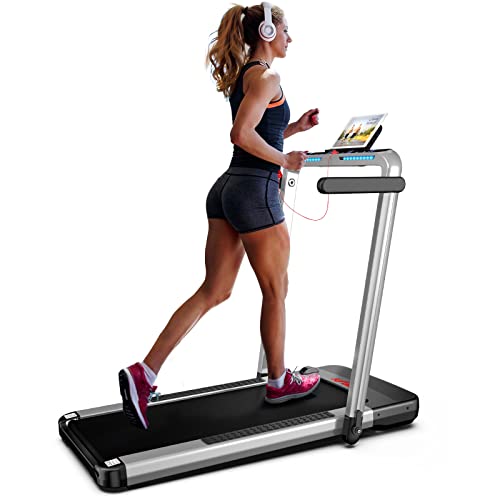
The Modern Home Treadmill: A Comprehensive Guide
In an age where benefit and flexibility dominate our lifestyles, the at-home treadmill emerges as a popular option for keeping fitness without compromising time or convenience. With different choices available, understanding the benefits, types, and functions of at-home treadmills can empower people to make informed decisions about their fitness financial investments.
The Rise of Home Workouts
The increasing appeal of home exercises can be attributed to various aspects:
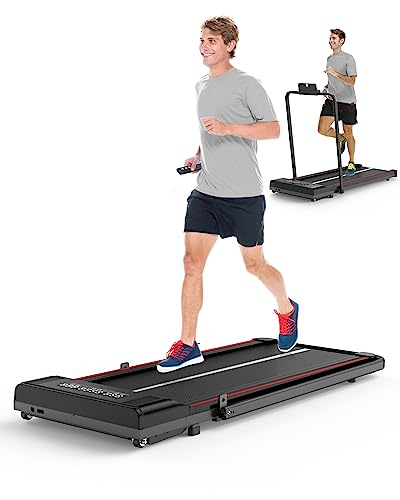
- Fitness Accessibility: The pandemic shifted many individuals from fitness centers to home exercises, exposing the usefulness of having physical fitness equipment in the house.
- Time-Saving: Eliminating commute times to the gym enables more efficient exercise regimens.
- Convenience and Privacy: Exercising at home supplies a comfy and personal environment, devoid of the diversions of a public gym setting.
Benefits of Owning a Treadmill
1. Convenience
With an at-home treadmill, individuals can work out anytime without stressing over gym hours or climate condition. This 24/7 availability makes it easier to stay with exercise regimens.
2. Customization
At-home treadmills allow users to tailor their exercises according to personal preferences, fitness levels, and goals. Whether it’s a brisk walk or an intense run, users can set their speed and strength.
3. Cost-efficient
While the preliminary investment might be substantial, an at-home treadmill can save money in the long run. Membership fees, travel expenditures, and extra classes can build up quickly.
4. Health Tracking
Lots of contemporary treadmills come equipped with technology that tracks workouts, consisting of range, calories burned, heart rate, and rate. These features assist in much better tracking of physical fitness goals and development.
5. Versatile Workouts
Today’s treadmills typically feature different workout programs, slope settings, and speeds, permitting varied workout programs that keep users engaged.
6. Family-Friendly
With multiple users in a home, a treadmill can deal with varying physical fitness levels and preferences, making it a versatile tool for family fitness.
Kinds Of Home Treadmills
When picking a treadmill, it’s necessary to comprehend the various types available to ensure the best fit for individual physical fitness needs. Below is a comparison of the main kinds of home treadmills:
| Type | Secret Features | Pros | Cons |
|---|---|---|---|
| Handbook Treadmill | Powered by user effort; no motor | Peaceful, budget-friendly, less area required | Restricted features, generally lower resilience |
| Electric Treadmill | Motorized, adjustable speed and slope | More features, flexible exercises | Higher rate, requires power source |
| Folding Treadmill | Compact design, can be saved quickly | Space-saving, portable | May not be as durable, limited functions |
| Smart treadmill small [site] | Linked to apps, using interactive exercises | Improved engagement, tracking alternatives | More costly, needs Wi-Fi |
Secret Features to Consider
When looking for a treadmill, there are several important functions to remember:
-
Motor Power: Look for a motor with at least 2.0 CHP for walking and 3.0 CHP for running. Greater power permits constant efficiency.
-
Running Surface: Consider the size of the running surface area. A longer and wider belt (a minimum of 55 inches long and 20 inches large) offers a comfortable running experience.
-
Incline Options: An adjustable incline can improve exercise strength and mimic outside running conditions.
-
Integrated Programs: Many treadmills use pre-set exercise programs that accommodate various fitness levels and goals, which can add variety to your regimen.
-
Affordability: Treadmills can vary from a couple of hundred to numerous thousand dollars. Develop a spending plan and look for units that offer the best value for the functions consisted of.
-
Warranty: A solid warranty on parts, labor, and the motor is important for protecting your investment over the long term.
Maintenance Tips for Your Treadmill
Owning a treadmill needs some upkeep to ensure its longevity. Here are some essential suggestions:
- Regular Cleaning: Dust and sweat can accumulate on the treadmill. Wipe it down after use and keep the belt and undercarriage tidy.
- Lubrication: Depending on the design, lubricating the belt every couple of months can help decrease friction and wear.
- Check for Wear and Tear: Regularly inspect the belt for indications of wear and make sure all bolts and screws are tight.
- Power Source: Ensure a stable source of power, and avoid overloading power strips.
Often Asked Questions (FAQs)
1. How much space do I need for a treadmill?Generally, a treadmill requires a minimum of 6 feet of length and 3 feet of width. Think about additional area for safety and ease of motion. 2. Can I drop weight with an at-home treadmill?Yes, regular usage of a treadmill can contribute significantly to weight loss when integrated with a balanced diet and overall physical activity. 3. Are folding treadmills as durable as non-folding models?While folding treadmills are created for convenience, they may not be as durable as non-folding models. Nevertheless, lots of folds are developed with robust materials and can
endure routine use. 4. What’s the best slope for walking on a treadmill?A slope of 1-2 %imitates outdoor walking conditions and offers a more effective exercise. 5. Are wise treadmills worth the extra cost?If you enjoy interactive exercises and tracking development with apps, clever treadmills can be an important addition. However, conventional treadmills can still provide exceptional exercises without the added features.
The at-home treadmill is an effective ally in
achieving fitness goals, using benefit, personalization, and a variety of workout chances. With numerous types and features tailored to various users’needs, it’s necessary to choose wisely. Routine maintenance and a dedication to a consistent workout regimen can help maximize the advantages of this important fitness tool. Whether you’re a seasoned runner or simply starting out, a treadmill can flawlessly fit into your at-home fitness routine, moving you towards a much healthier way of life.
No listing found.