
pushchair3537
About pushchair3537
14 Businesses Doing A Great Job At Pram Vs Pushchair
Pram Vs Pushchair: A Comprehensive Guide for New Parents
Picking the right mode of transport for your baby can be a challenging job for brand-new parents, specifically with the huge selection of choices offered in the market today. Amongst these, prams and pushchairs are two of the most frequently discussed. While some people use these terms interchangeably, there are essential differences that can affect your choice. This article aims to clarify the distinctions in between prams and pushchairs, their functions, advantages, and when to use each.
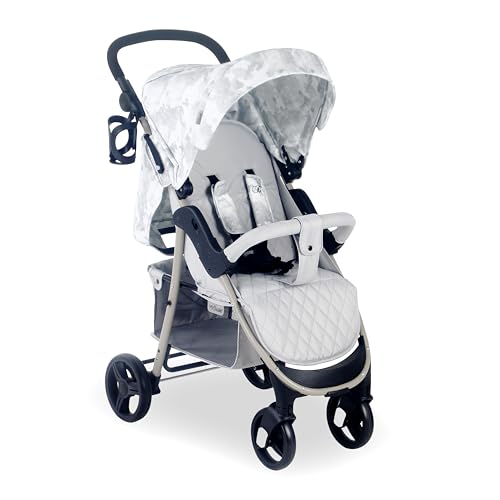
Understanding Prams and Pushchairs
Before diving into the details, it’s vital to comprehend what each term means:
-
prams (i thought about this): Also referred to as baby carriages, prams are developed for infants from birth until they can sit up unaided. They offer a flat, comfortable surface for the baby to rest and are typically geared up with a hood to shield the kid from sun and rain. Prams stress convenience and are frequently utilized for leisurely strolls.
-
Pushchairs: Pushchairs, on the other hand, are developed for older babies who can sit up unaided, typically beginning with around six months. They are more light-weight and compact than prams for sale, making them easier to maneuver in hectic environments. Pushchairs often feature reclining seats, adjustable footrests, and can in some cases be transformed into travel systems that accommodate safety seat.
Key Differences Between Prams and Pushchairs
To clarify the differences further, let’s break down their features in a comparative table:
| Feature | Pram | Pushchair |
|---|---|---|
| Configuration | Flat lying position | Upright seated position |
| Age Range | Newborn to approx. 6 months | 6 months to approx. 4 years |
| Weight | Heavier due to building and construction | Lighter and more portable |
| Maneuverability | Frequently bulkier, harder in tight spaces | Simpler to navigate, especially in crowded locations |
| Storage Space | More storage, can hold extra items | Generally less storage offered |
| Folding Type | Bulkier, might not fold easily | Easy to fold, generally compact |
| Security Features | Typically includes harnesses and canopies | Includes adjustable harnesses, recline choices |
Advantages and disadvantages of Prams and Pushchairs
Prams
Pros:
- Comfortable: Provide a comfy flat surface for newborns.
- Stylish Options: Many prams come in stylish styles and colors.
- Perfect for Infants: Perfect for very young babies who need to lie flat.
Cons:
- Bulkiness: Can be heavy and tough to raise or transfer.
- Minimal Use: Usable mostly for a brief period during infancy.
- Greater Cost: Often more costly due to higher quality products.
Pushchairs
Pros:
- Portability: Lighter and much easier to transport, making them ideal for errands.
- Flexible: Suitable for different ages and can often be changed to accommodate growth.
- Compact Storage: Easy to fold and keep, saving area.
Cons:
- Limited Comfort for Newborns: Not perfect for very young babies who can not sit up individually.
- Less Stability: Some pushchairs may not feel as stable as prams on unequal surface areas.
- Optional Accessories: Some models might need extra purchases, such as a footmuff or rain cover.
When to Use a Pram vs. Pushchair
Pram Usage
- Leisurely Walks: When parents plan to take long walks in parks or on smooth walkways.
- Shopping Trips: Ideal for leisurely shopping journeys where comfort is a priority.
- Newborns: Best for babies who are not yet able to stay up unaided.
Pushchair Usage
- Daily Errands: Great for browsing busy streets or crowded environments.
- Traveling: Recommended for parents on the go who require something simple to transportation.
- Growing Baby: Perfect for babies who can stay up individually and require more interaction with their surroundings.
Often Asked Questions
1. Can I utilize a pushchair for a newborn?
While some pushchairs are designed with a reclining function that can accommodate newborns, it’s generally suggested to stick with a pram for infants till they can stay up unassisted.
2. Are prams worth the investment?
If you prepare on having multiple kids or need something particularly created for newborns, investing in a high-quality pram may be worthwhile. They are typically more comfy and can supply a remarkable experience for young babies.
3. Can pushchairs recline?
Yes, numerous pushchairs featured recline features that permit lying back. This makes them appropriate for napping babies, although they might not lie flat as a pram does.
4. What is a travel system?
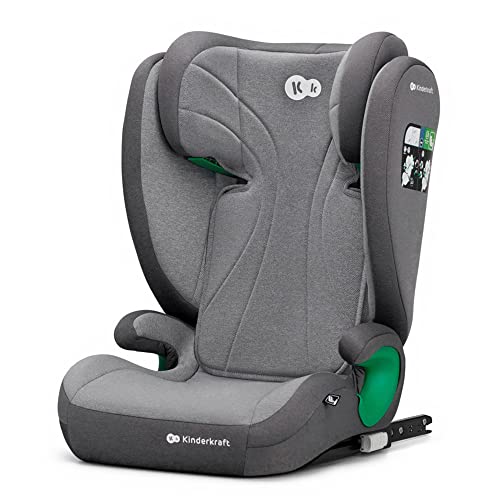
A travel system is a mix of a pushchair and a safety seat, permitting parents to quickly move a baby from the car to the pushchair without waking them up. This is especially hassle-free for busy moms and dads.
5. How do I pick in between a pram and a pushchair?
Consider aspects such as your baby’s age, way of life, and particular requirements. If you desire something for an infant-focused environment, a pram is perfect. If you require flexibility and ease of transport, a twin pushchair might be the better option.
In summary, both prams and pushchairs have their own set of advantages and downsides. The option eventually depends on your way of life, your kid’s age, and your personal choices. By understanding the basic differences, parents can make educated decisions tailored to their needs.
When picking in between a pram and a pushchair shops, it’s always prudent to attempt them out in-store if possible, examine the weight and folding systems, and consider what fits best in your way of life. Whether you select a traditional pram or a contemporary pushchair, the ideal decision will make sure that your baby travels in convenience and design. Happy walking!
No listing found.